




In brief
- SpaceX added a warning to its amended IPO filing that it may issue a significant amount of equity in future transactions.
- Issuing new shares can dilute existing shareholders by reducing their ownership percentage of the company.
- The disclosure comes as SpaceX seeks a $1.75 trillion valuation and integrates xAI and X into its business.
Investors preparing to buy into SpaceX's initial public offering are getting an early warning that future deals could reduce their ownership stake.
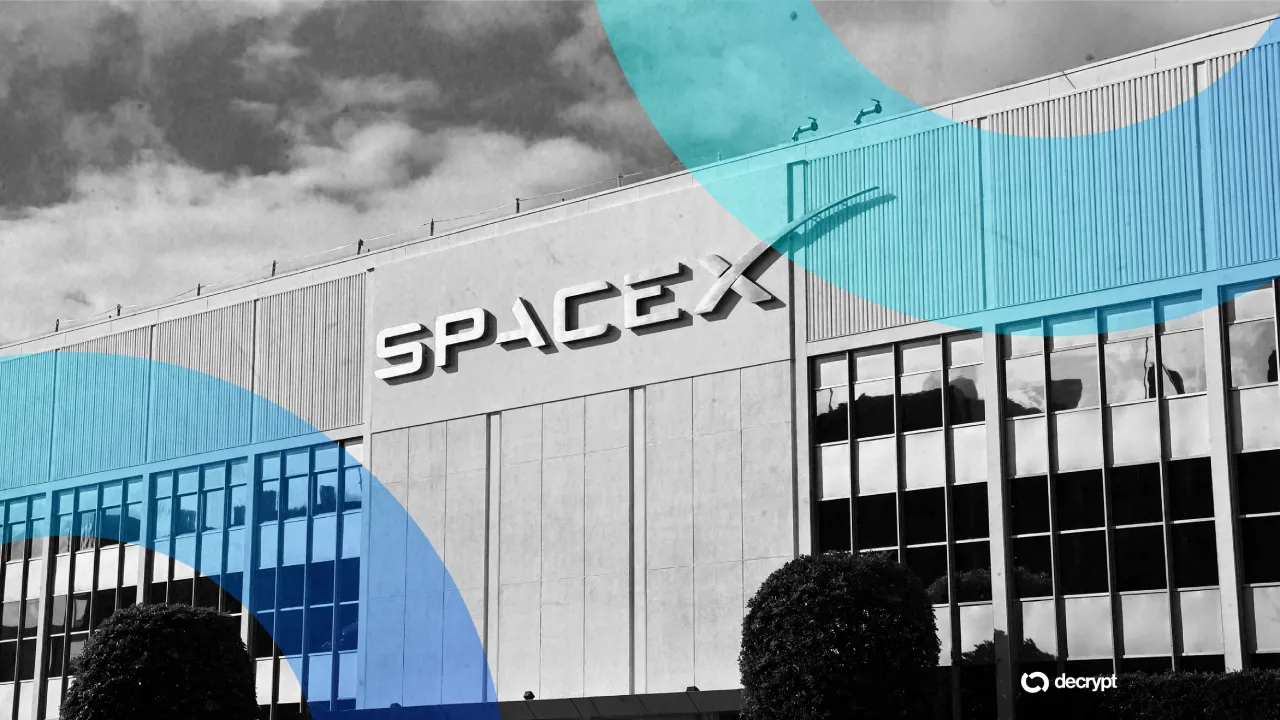
In an amended IPO filing on Monday, SpaceX disclosed that it "may issue a significant amount of equity in connection with future transactions," signaling that the company expects additional acquisitions, investments, or other major deals after it reaches public markets.
“We may assume unexpected obligations or incur costs associated with acquired businesses, including litigation, regulatory compliance, environmental liabilities, or contractual disputes, which could result in material losses or divert management focus from ongoing operations,” SpaceX wrote.
The disclosure comes ahead of what could become the largest IPO in history. SpaceX publicly released its IPO documents in May after filing confidentially with the U.S. Securities and Exchange Commission in April.
The company is targeting a valuation of roughly $1.75 trillion and plans to list on Nasdaq under the ticker SPCX. Goldman Sachs, Morgan Stanley, Bank of America, Citi, and JPMorgan are serving as lead underwriters.
The filing also highlights SpaceX's transformation beyond rockets. After xAI acquired X last year, SpaceX said in February that it would acquire xAI, bringing Grok, X, and Musk's broader AI business into the company alongside its launch and satellite operations.
However, those additions have come with high costs. SpaceX reported $18.67 billion in revenue during 2025 and a $2.59 billion operating loss. Its AI division posted $6.36 billion in operating losses during the year, while Starship research and development consumed roughly $3 billion.
The company also said accidents and equipment failures on the ground could pose an additional financial risk.
“Our operations also involve significant risks during pre-launch preparation. Launch vehicles and satellites can be damaged or destroyed during transport, fueling, integration, or ground testing,” SpaceX wrote. “Furthermore, the early retirement or inoperability of satellites or related infrastructure may require us to accelerate depreciation or recognize impairment charges, thereby adversely affecting our business, financial condition, results of operations, and future prospects.”
With the filings, Musk is expected to retain control of SpaceX after the IPO. After the IPO, public investors in SpaceX will receive Class A shares with one vote each, while Musk's Class B shares carry 10 votes apiece, giving Musk control over major corporate decisions.