




In brief
- OFAC has issued a sectoral determination covering digital assets, letting it sanction any person worldwide who operates in that part of Iran's economy.
- It is one of five determinations issued at once, and builds on earlier ones covering Iran's financial and petroleum sectors.
- Among nearly 60 designations, one shadow fleet broker is accused of processing more than $100 million in crypto payments for the IRGC's Qods Force.
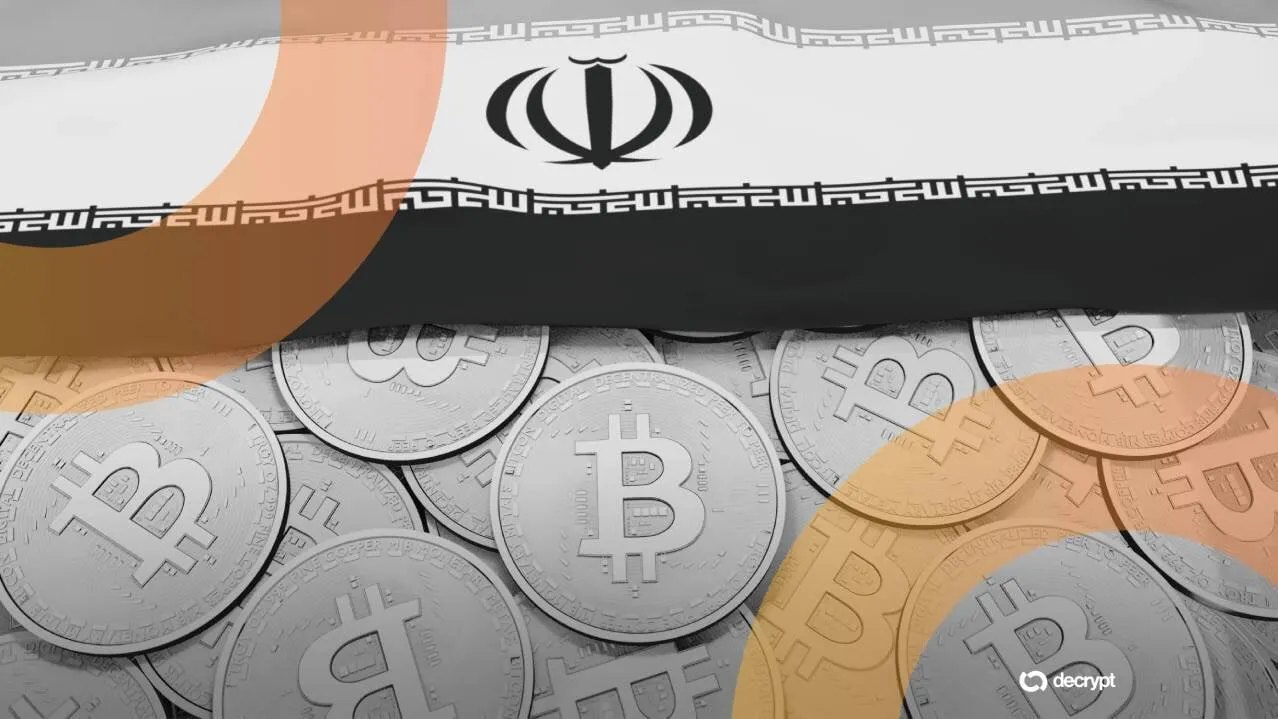
The U.S. Treasury has given itself the power to sanction anyone in the world operating in Iran's digital asset sector, part of a campaign announced Monday that Secretary Scott Bessent has dubbed Economic D-Day.
The Office of Foreign Assets Control issued five sectoral determinations under Executive Order 13902, covering digital assets, technology, gold, aviation and shipping. The digital assets determination means OFAC can now designate any foreign person operating in or providing services to that sector, regardless of where they are based, a reach it previously held over Iran's financial and petroleum industries.
Today, at President Trump’s direction, the U.S. Department of the Treasury has begun Operation Economic Outcast: an unprecedented, whole-of-government, economic campaign against the Islamic Republic of Iran and its enablers. https://t.co/bvOAn6GPyP
— Treasury Department (@USTreasury) August 24, 2026
Treasury said the regime "increasingly turns to cryptocurrency as a tool of choice for sanctions evasion," pointing to transactions linked to the Islamic Revolutionary Guard Corps and regime insiders.
Bessent framed the campaign, formally called Operation Economic Outcast, in wartime terms, saying the objective was "to sever every economic lifeline that sustains this tyrannical regime until Tehran stands alone." Countries will be given individual timelines to end Iran-related activity before secondary sanctions follow.
Crypto in the designations
The 60 or so entities, individuals and vessels named alongside the determinations include two with direct crypto links.
Ivan Obukhov, a Ukrainian national based in the United Arab Emirates, has since 2023 processed more than $100 million worth of cryptocurrency payments to facilitate oil sales on behalf of the IRGC's Qods Force, according to Treasury. Obukhov has brokered shadow fleet vessels for years and owns UAE-based Foscom FZE, which was designated alongside him.
Arman Kahzadian, part of a group of cyber actors directed by Iran's Ministry of Intelligence and Security, has focused on digital asset heists. Treasury said he took control of a wallet holding over $30,000 in Bitcoin in summer 2023, a modest sum beside the oil payments but enough to draw a designation under the cyber sanctions authority.
The action follows two earlier moves against Iranian crypto activity. OFAC sanctioned exchange Nobitex over terrorist financing, and this month designated firms accepting Bitcoin in exchange for safe passage through the Strait of Hormuz.
Tehran dismissed the campaign before it landed, with Foreign Minister Abbas Araghchi calling Washington "desperate" and saying its measures amounted to "the same movie they keep playing over and over again," adding that previous blockades and military moves had failed. Mohsen Rezaei, secretary of Iran's Supreme National Security Council, said any country that takes part in sanctions against Iran “will be regarded as an enemy,” as the rial fell to a record open-market low of 2.02 million to the dollar on Monday.
On Myriad, a prediction market owned by Decrypt's parent company Dastan, traders put the chance of Washington announcing an end to the naval blockade it reimposed on Iranian shipping in July at 6% by August 31, rising to 43% by the end of September and 76% by the end of the year.